Christmas Bonitha: A Elegant Handwritten Font
There I was, staring at a blank brand board, trying to find the right visual voice for a new artisanal skincare line. The client wanted something that felt personal, authentic, and a little whimsical. That’s when I reached for Christmas Bonitha, a beautiful and elegant handwritten font. It wasn’t just about the look—it was about the feeling it could bring to the brand.
Visual Characteristics and Personality
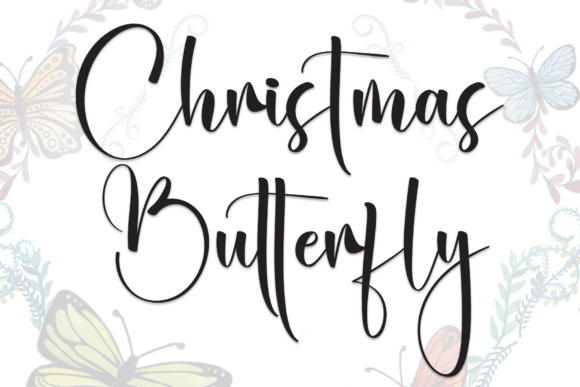
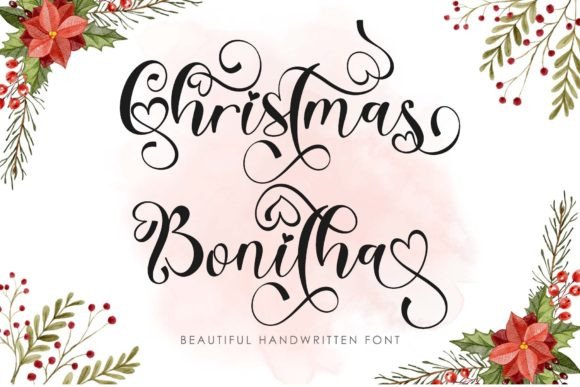
Christmas Bonitha has a soft, flowing script that feels like a handwritten note from a friend. The letterforms are slightly irregular, with gentle swashes and subtle variations that give it a natural, organic feel. It’s not too ornate, but it still carries a sense of elegance and sophistication. The lowercase letters have a light touch, while the capitals are more pronounced, making it versatile for different design applications.
The font’s personality is warm and inviting, which makes it perfect for brands that want to communicate approachability and creativity. It works well in both modern and traditional settings, depending on how you pair it with other typefaces.
Real-World Testing: From Logo to Packaging
I started by testing Christmas Bonitha on a logo concept. The font’s fluidity made it ideal for a minimalist logo that needed to feel personal. When paired with a simple sans serif for the tagline, it created a balanced, cohesive look. The combination felt fresh and modern without being too stark.
Next, I placed it on a packaging mockup for a small skincare line. The font looked great on labels and product boxes, adding a handmade quality that aligned with the brand’s values. The multilingual support was a plus, as the client planned to expand to international markets.
On a business card, Christmas Bonitha stood out without overwhelming the design. It worked well as a headline font, drawing attention to the brand name while keeping the rest of the text clean and readable. For social media graphics, it added a unique touch to headlines and captions, making the content more visually engaging.
Strengths and Limitations
One of Christmas Bonitha’s greatest strengths is its versatility. It can be used as a display font, a logo font, or even an accent font in a broader typography system. Its ligatures and swashes add a level of detail that can elevate a design, especially in editorial or commercial projects.
However, it’s not the best choice for long body text or small sizes. In those cases, the font’s delicate strokes can become difficult to read, especially on screens or in print. It also doesn’t work as well in formal corporate settings where a more structured typeface might be preferred.
For branding projects that require a mix of formality and warmth, Christmas Bonitha can be a great fit. But if the goal is to create a strong, consistent identity across multiple platforms, it’s important to test the font in different contexts before finalizing the design.
Font Pairing and Design Applications
When pairing Christmas Bonitha with other fonts, it’s best to choose a complementary typeface that doesn’t compete. A clean, modern sans serif like Montserrat or Open Sans can balance the script’s fluidity. For a more classic look, a serif font like Playfair Display or Georgia can add contrast and depth.
In web design, Christmas Bonitha can be used for headings, hero sections, or call-to-action buttons. Its handwritten style adds a personal touch that can make a website feel more human. On social media, it works well for banners, posts, and profile pictures, helping to create a cohesive visual language.
For editorial design, the font can be used in magazine layouts, book covers, or event invitations. Its expressive nature makes it ideal for creative projects that benefit from a handcrafted aesthetic.
Practical Guidance for Designers
If you’re considering using Christmas Bonitha in a project, it’s important to test it thoroughly. Try it on different surfaces—paper, screen, and signage—to see how it performs in real-world conditions. Pay attention to how it looks in various sizes and weights, and make sure it aligns with the brand’s tone and message.
Also, check the font’s licensing terms before using it in client work. Make sure it’s suitable for commercial use, and verify that it includes all the necessary file formats, such as OTF, TTF, and WOFF. If you’re planning to use it on a website, ensure that the webfont version is available and properly licensed.
Overall, Christmas Bonitha is a valuable addition to any designer’s toolkit. Its elegance, charm, and flexibility make it a great choice for a wide range of branding and design projects. Whether you’re working on a boutique identity, a café refresh, or a skincare brand, this font can help you create something that feels both professional and personal.